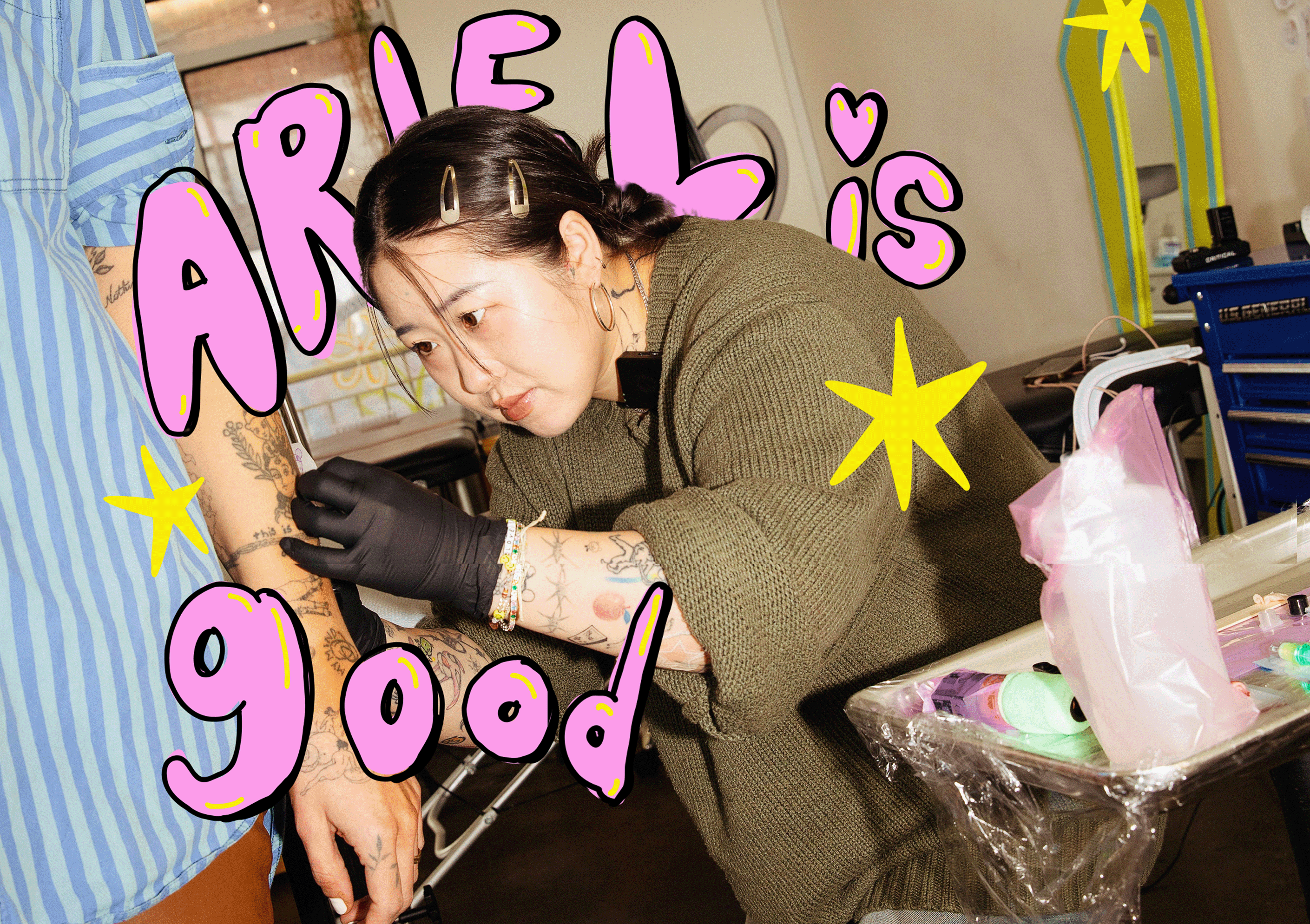
How to keep tattoo bookings, client details, and studio expectations organized across locations without living in Instagram DMs

Working out of multiple tattoo studios sounds like a growth move until the admin starts eating the money. A guest spot in one city, a home shop schedule, a convention weekend, and a handful of "can you squeeze me in?" DMs will turn a clean calendar into a crime scene in about forty-eight hours.
Traveling between studios is not the expensive part. The travel pays for itself when clients actually show up and the books are full. The problem starts when the booking system cannot keep up with travel dates, studio rules, deposits, and client messages across locations. Two studios means two sets of availability, two sets of client expectations, and twice as many places for things to fall through.
The rest of this post covers how to keep bookings, deposits, client details, and studio expectations organized across locations without living in Instagram DMs, Google Calendar, spreadsheets, and Venmo threads.
Clients message through Instagram, email, texts, and old form links. No single thread ties the conversation to the booking, so the artist becomes the thread, manually connecting dots across four platforms.
A booking at Studio A does not block time at Studio B. Deposits land in different places: Venmo for one studio, Zelle for another, cash at a convention. Reference images get buried across platforms because a client sends ideas on Instagram, confirms placement over text, and shares a budget range over email.
A client books the right tattoo artist but the wrong city. Or books for a guest spot week that is already full because availability was not updated. A studio owner hosting a guest artist has no idea who is booked, who is pending, and who has paid. Guest spot clients need different rules, time slots, deposit amounts, and policies than regular clients, and most booking setups do not distinguish between the two.
The problem is the lack of one reliable booking workflow that follows the artist across locations.
Tattoo artists need separate books for each studio or guest spot, not one calendar with color-coded entries. Each location may have different availability windows, different services, different deposit structures, and different policies. But all of those books need to feed into one calendar view so the artist can see everything in one place.
In practice, separate books means opening availability for a guest spot on specific dates without affecting home studio bookings. It means running a waitlist for one location while books at another location are open, and closing books at the resident studio during travel weeks automatically. Home studio days, guest spot dates, convention days, travel days, blackout periods, and drawing days all need to be visible in a single calendar, even when the booking forms feeding into the calendar are distinct.
Tattoo booking forms should ask which city or studio the client wants. Location-specific instructions for deposit amounts, minimums, parking, IDs, and timing should be attached to the right form, not buried in a follow-up DM.
A client requesting a palm-sized flash piece in Brooklyn should not land in the same undifferentiated queue as a sleeve consultation for a home studio in Chicago.
Venue lets artists open multiple books, one per studio, guest spot, or service type. Each book has its own availability, booking link, and deposit settings. Google Calendar sync blocks off personal time across all books so double-booking does not happen quietly in the background.
Multi-studio work usually means different types of bookings. A home studio custom request, a guest spot request for limited dates at a specific studio, a convention flash request, a flash-only appointment, a consultation for a large-scale project, and a returning client touch-up all require different information upfront.
Fields worth including across forms:
The point is not to build seven different forms. Just make sure the intake captures the right details so the artist is not chasing basics over DMs after the client has already submitted a request.
Venue's booking forms are fully customizable. Tattoo artists can collect references, design ideas, placement preferences, and whatever else they need upfront. Clients submit through the form, the artist reviews and approves or declines, and the conversation stays attached to the request from the first message forward.
Multiple studios create more ways for clients to flake, and more ways for the artist to absorb the cost. A no-show at a home studio is frustrating. A no-show during a three-day guest spot in another city, where the artist paid for a flight and accommodation, is expensive in a way that carries over long after the empty chair.
A deposit confirms the client is serious and compensates the artist if the client cancels. Different studios or guest spots may need different deposit amounts, because a convention flash slot has different economics than a multi-session custom piece. Deposits protect travel costs, limited guest spot days, and convention time slots specifically.
Clear booking terms stated upfront in the form reduce awkward follow-up conversations. When the deposit amount, the cancellation policy, and the reschedule rules are all visible before the client submits, the artist does not have to play enforcer later.
Venue collects deposits during the booking flow, before the artist holds time. Deposit amounts are customizable per booking type, and eligible deposits come with artist chargeback protection.
When a client conversation lives in Instagram DMs, the reference images are in one thread, the schedule confirmation is in another, the deposit is a Venmo screenshot, and the reschedule request is a text message. Multiply those scattered conversations across three studios and the administrative overhead becomes its own part-time job.
Client references need to stay with the appointment, not in a separate thread. Design changes and reschedule notes need to be attached to the booking, not floating in an inbox the artist has to dig through the morning of a session. Studio-specific instructions like the address, parking details, and what to bring should not live in a buried DM the client has to scroll back to find three weeks later.
When an artist is working across locations, the only way conversations do not get lost is if the messages and the booking live in the same place. Venue keeps client chat, reference images, and booking details in one thread per request. No separate email chain, no DM archaeology.
A guest spot has two sets of logistics that need to work together, and most of the friction comes from the gap between them.
From the artist's side, timing the booking window matters. Opening books too early increases cancellation risk because clients lock in dates three months out and change their minds. Opening books too late means empty chairs on days the artist already paid to be in town. The sweet spot depends on the guest spot length and the artist's following in the host city, but two to four weeks of lead time works for most short guest runs.
Coordinating with the host studio on hours, chair availability, and client flow prevents day-of surprises. Whether the host studio handles bookings or the guest artist runs their own intake is worth sorting before the first post goes up, because the friction of routing clients through two separate systems mid-trip is real. And deposit collection as a guest, specifically who collects and who keeps what, deserves a direct conversation before the first booking comes in.
Cross-promotion makes the guest spot worth the logistics. When both the artist and the host studio announce the guest spot to their respective audiences, two pools of potential clients see the availability instead of one. Coordinating on timing, tagging each other, and giving followers enough lead time to actually book turns a logistical arrangement into a marketing opportunity. A guest spot nobody hears about until it is over is a missed opportunity for everyone involved.
From the studio owner's side, guest artist intake works better with some structure. The tattoo studio owner needs to know what information to collect before the guest arrives, and needs calendar visibility into who is booked, who is pending, and who is available for both residents and guests. Individual booking links per artist keep the studio from manually routing every inquiry. And the ability to pass requests between resident and guest artists, when a client's timing or style is a better fit elsewhere, keeps the studio running like a team rather than a collection of solo operations.
Venue's Events feature lets artists create a shared booking page for guest spots or pop-ups. Each artist manages their own availability and bookings within the event. For tattoo studios, individual artist accounts and shared calendars help hosts keep guest artists organized without micromanaging anyone's schedule.
Reminders matter more when clients are booking across locations. A client who booked a guest spot three weeks ago may forget which studio, which city, or what time. A convention client may not realize the booth number changed.
Clients forget studio addresses, especially when the artist works from multiple locations. They might confuse a guest spot city with the artist's home studio. Automated tattoo appointment reminders that include the date, time, location, and prep instructions prevent the kind of day-before scramble that multiplies when an artist is working three locations in a single month.
Venue sends text reminders 24 hours before appointments automatically. The artist does not have to remember to send them, which is the whole point when the artist is mid-travel and juggling two cities in one week.
The next guest spot, convention, or studio collaboration is easier to say yes to when the booking logistics do not require a second job to manage. Getting the system right once, before the next trip, is the difference between multi-studio work that pays off and multi-studio work that just creates more admin for the same income.
Venue keeps booking forms, calendar availability, deposits, payments, reminders, flash, and client chat in one place, so multiple studios do not turn into multiple messes.
Venue Ink makes tattoo booking and scheduling tattoos as smooth as your lines.
Try Venue Today
.jpg)